Why Occupational Therapists Partner with Smart Lifts
From Assessment to Action: Why Occupational Therapists Partner with Smart Lifts

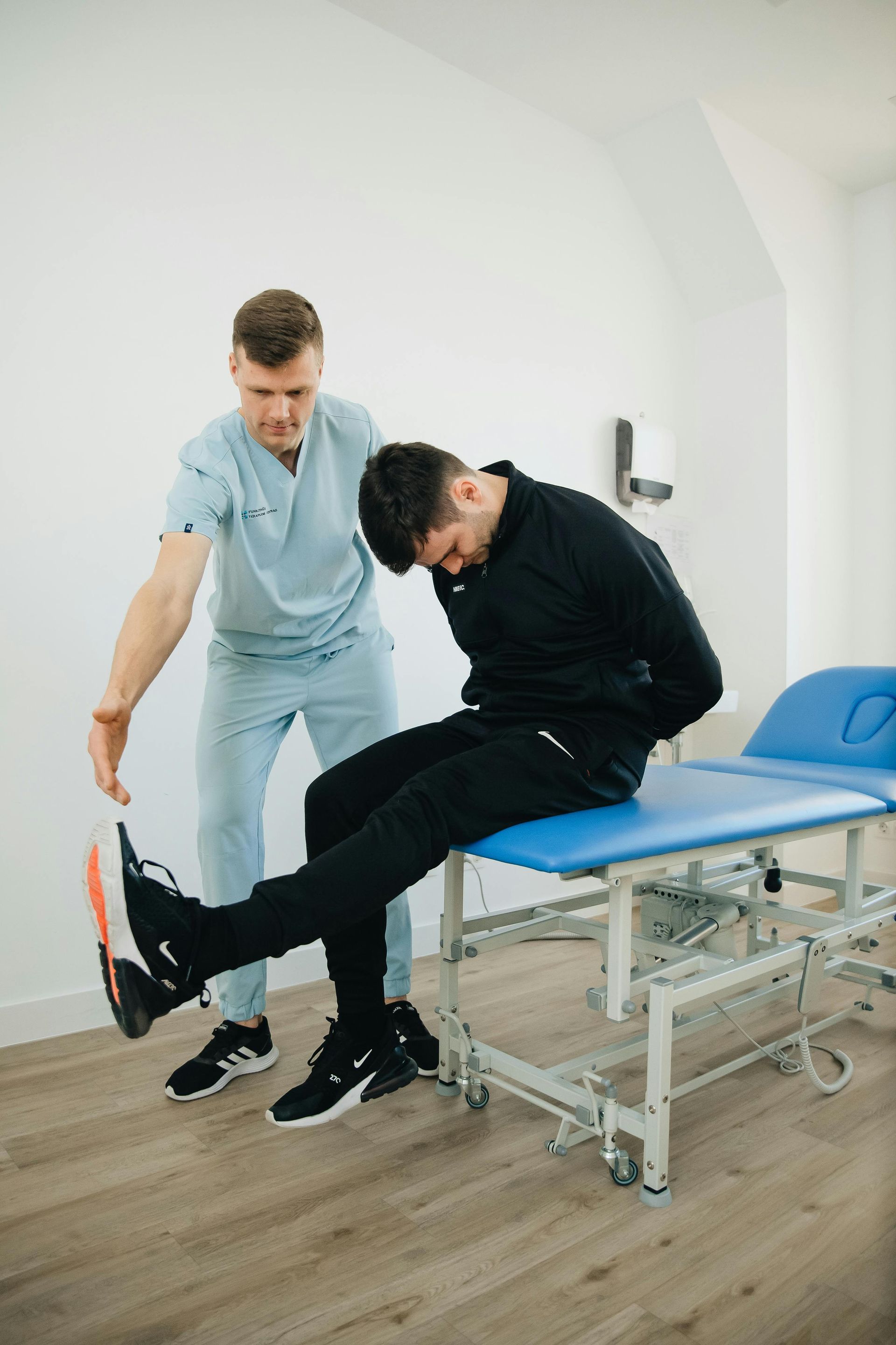
For an Occupational Therapist, a home evaluation often reveals a frustrating reality: a patient has the will and the emerging skill to remain independent, but the physical environment is "working against" them.
"When I refer a patient to Smart Lifts, I know they are in good hands. Their team understands the nuances of mobility challenges, from ergonomic controls to safety sensors. Their responsiveness and professionalism make my job easier and, most importantly, keep my patients safe and independent in the homes they love."
-Karen S., OTR/L, Home Health
From Assessment to Action: Why Occupational Therapists Partner with Smart Lifts
For an Occupational Therapist, a home evaluation often reveals a frustrating reality: a patient has the will and the emerging skill to remain independent, but the physical environment is "working against" them.
When an OT recommends a stairlift, vertical platform lift, or ramp, the success of that recommendation depends entirely on the quality of the equipment and the precision of the installation. This is why a professional relationship with Smart Lifts is a game-changer for OT practices.
1. Turning "Clinical Recommendations" into "Mechanical Reality"
An OT might identify that a patient needs a mobility solution, but the technical specifications—rail angles, weight capacities, and clearance requirements—are highly specialized. By partnering with Smart Lifts, OTs can hand off the technical measurements to experts. We ensure that the equipment installed is exactly what the OT envisioned for the patient’s specific physical constraints.
2. Enhancing Patient Safety and Compliance
The best mobility plan in the world is useless if the equipment is poorly installed or difficult to operate. Smart Lifts prioritizes user-centric design. We provide:
Ergonomic Controls: Ensuring the lift can be operated by those with limited dexterity or arthritis.
Safety Sensors: Automatic stops for obstructions, protecting both the user and their pets or family members.
Professional Training: We don't just install; we stay to ensure the patient (and the OT, if present) knows exactly how to use the device safely.
3. Rapid Turnaround for "Aging in Place"
OTs often work under tight timelines, especially when a patient is trying to avoid a transition to assisted living. Our streamlined process allows OTs to move a patient from "evaluation" to "installed solution" faster. This responsiveness helps OTs meet their goals for patient independence and reduces the time a patient spends confined to a single floor of their home.
4. A Trusted Resource for Complex Cases
Not every home is standard. Narrow staircases, historic homes in New England, and outdoor transitions require creative engineering. OTs can lean on Smart Lifts as a technical consultant to find solutions for "impossible" spaces, allowing the therapist to focus on the patient’s functional goals while we handle the architectural hurdles.
The Bottom Line
When Occupational Therapists and Smart Lifts work together, the patient wins. We provide the reliable, high-quality hardware that allows the OT’s clinical expertise to shine, ensuring that "home" remains a place of safety, not a place of limitation.
Resource Articles from Smart Lift
Smart Lifts